Use gentle cleaners
Use mild non-abrasive cleaners and a soft cloth or sponge unless your written care instructions say otherwise.

After a bathtub, shower, tile, or countertop is refinished, proper care matters. This guide explains simple cleaning, what to avoid, and how written warranty protection works for qualifying labor and materials.
Reviewed by Richard Dorman, owner of Best In The Business Refinishing LLC, with 30+ years of hands-on bathtub refinishing and repair experience. Serving East Texas.
Service area: Tyler, Longview, Frankston, Mount Pleasant, Paris, Sulphur Springs, Marshall, Carthage, Nacogdoches, Lufkin, Gilmer, Canton, Athens, Palestine, Jacksonville, Henderson, Kilgore, Crockett, Texarkana, and surrounding East Texas towns.
A refinished surface is not cared for the same way as old worn porcelain or a cheap DIY paint job. The finish lasts longer when it is cleaned gently, kept dry when possible, and protected from harsh chemicals, abrasive pads, standing water, and suction-cup bathmats.
Use mild non-abrasive cleaners and a soft cloth or sponge unless your written care instructions say otherwise.
Steel wool, rough pads, powders, and aggressive abrasives can dull or damage the refinished surface.
Dripping faucets, standing water, leaks, and bottles left on the surface can shorten the life of the finish.
BBR uses written warranty protection on qualifying labor and materials, but warranty terms are tied to the service, surface condition, prep, estimate, invoice, and care instructions. Repair work, refinishing, fiberglass reinforcement, and heavily damaged surfaces may have different written terms.
Coverage applies as stated in the written estimate, invoice, or warranty terms for the specific project.
Old coatings, rust, water damage, flexing fiberglass, or previous repairs can change warranty expectations.
The homeowner, tenant, or property manager must follow care instructions to protect the finish.
Refinishing can save a usable tub or shower from unnecessary replacement. Proper care helps the surface stay cleaner and reduces avoidable damage after the job.
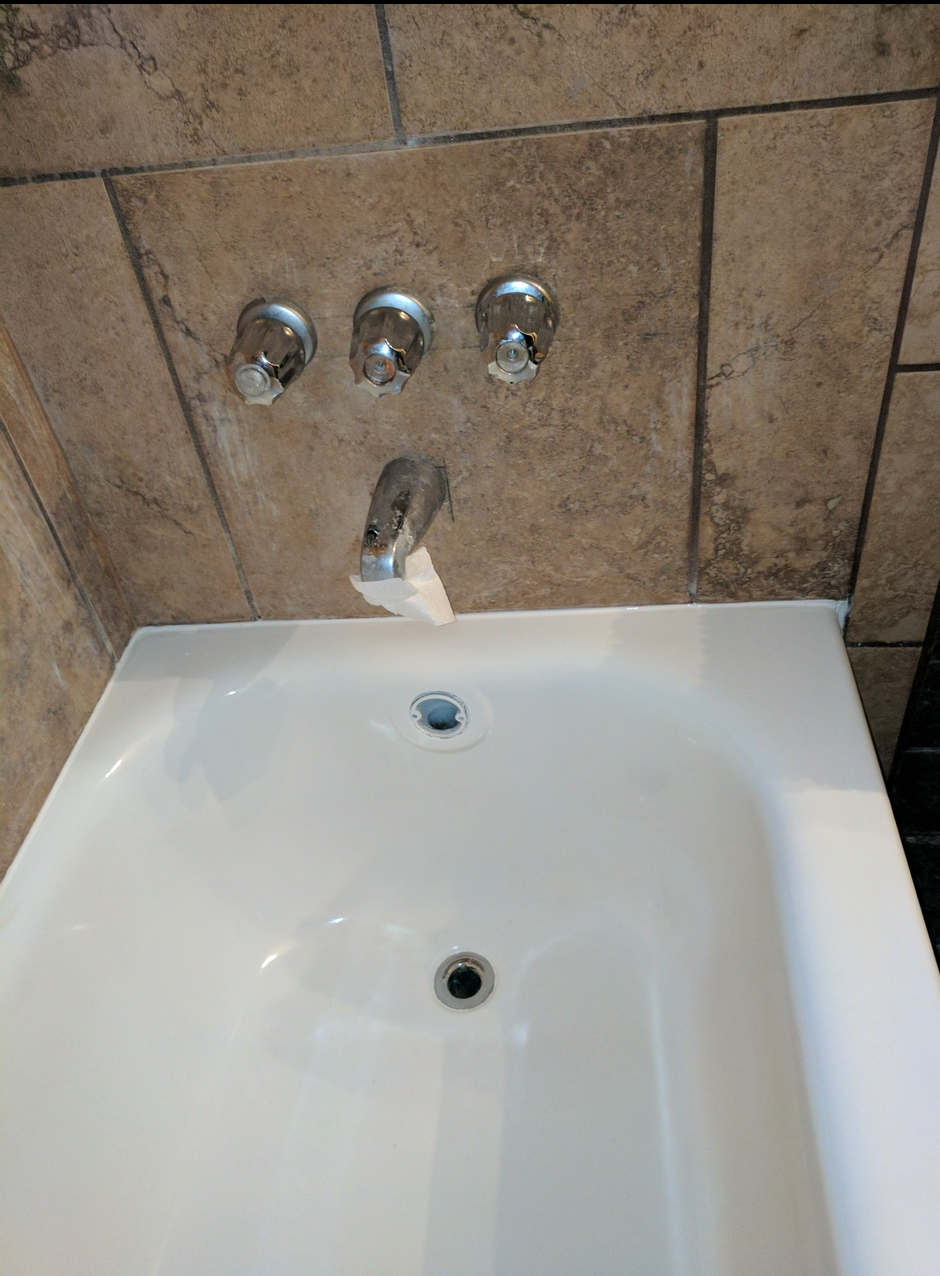
A refinished tub should be cleaned gently to protect the new surface.
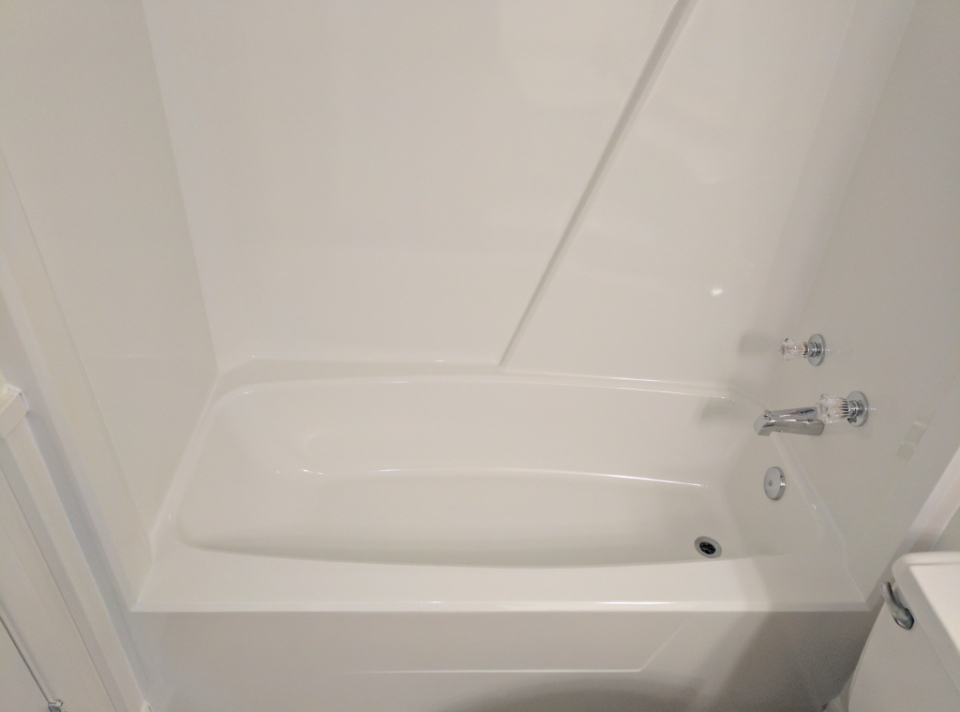
Shower and tub surfaces need routine cleaning without harsh abrasives.
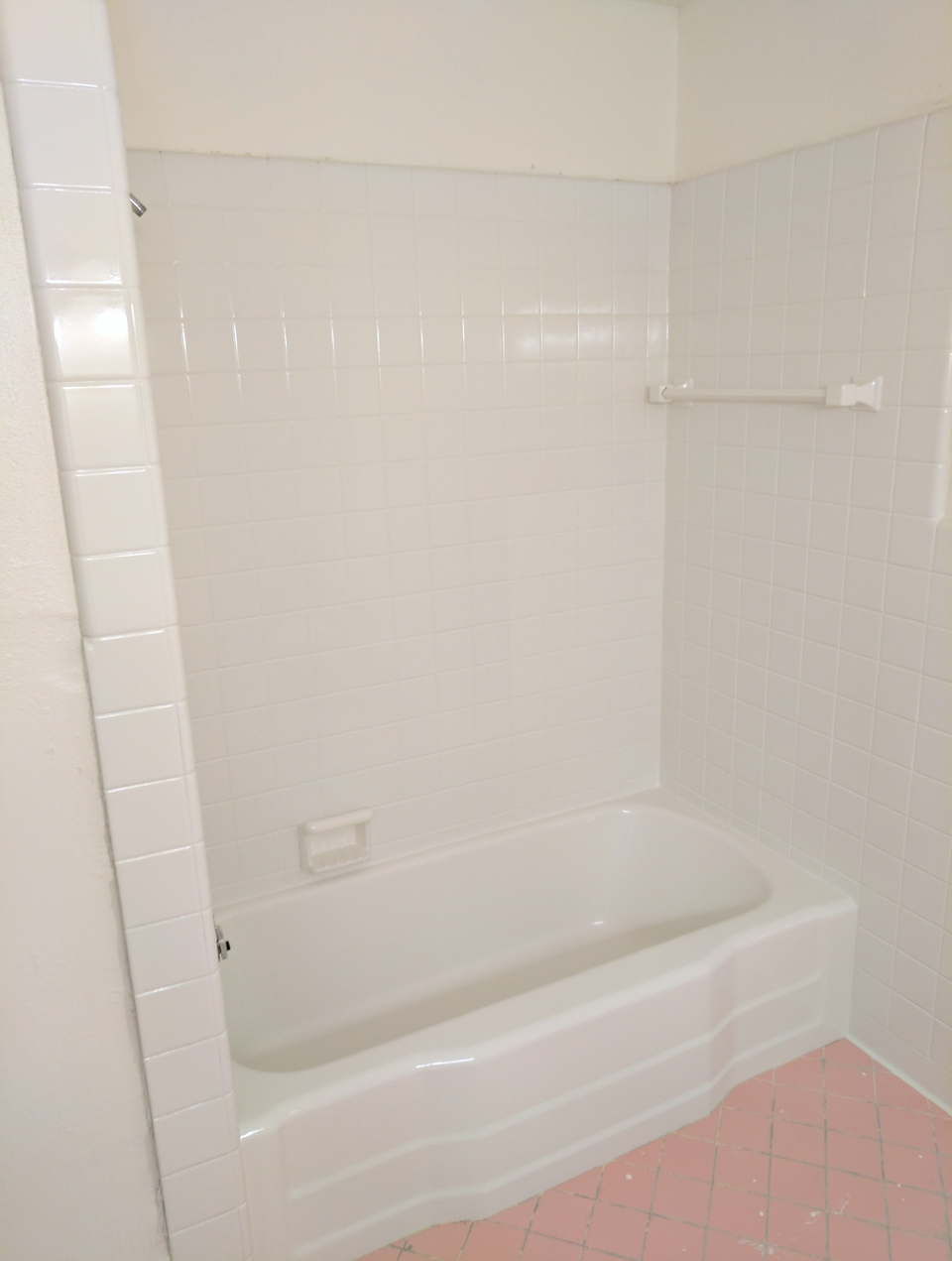
Refinished tile and tubs should be protected from standing water and rough scrubbing.
A few clear photos usually show the surface material, damage, access, and whether the job looks like repair, refinishing, resurfacing, reglazing, or replacement advice. That helps avoid guessing before scheduling.
Show the whole tub, shower, tile wall, countertop, or work area from a few steps back.
Show chips, cracks, rust, peeling, soft areas, stains, drain damage, or failed coating.
Drain areas, corners, shelves, and seams often reveal water wear, movement, or old repair work.
Your East Texas city or nearest town helps BBR give a clear answer and recommend the right estimate path.
Use mild non-abrasive cleaners and a soft cloth or sponge. Avoid harsh abrasives, aggressive scrubbing pads, and cleaners that can damage the finish.
Use time depends on the specific job, product system, temperature, and written instructions given with the estimate or invoice. Follow the written care instructions for that job.
Abrasive cleaners, bathmats with suction cups, standing bottles, harsh chemicals, water leaks, dripping faucets, and physical damage can shorten the life of the finish.
Warranty protection applies to qualifying labor and materials as stated in the estimate, invoice, or written warranty terms. Coverage depends on service type, surface condition, and care requirements.
A refinished tub, shower, tile, or countertop should be treated like a professional coating system, not factory porcelain. Care habits after the job matter, and written warranty terms depend on the surface, prep, use, and qualifying conditions.
Soft bottoms, cracks, flex, and fiberglass tub floor damage.
What affects bathtub refinishing and repair pricing in East Texas.
Refinishing and repair for rentals, apartments, hotels, and turnovers.
How to protect a refinished surface after the work is complete.