Can chips and cracks be repaired?
Many chips, cracks, holes, drain-area issues, and worn spots can be repaired when the tub or shower is still structurally suitable.

Chips, cracks, holes, rusted drain areas, peeling coatings, and damaged tub bottoms do not always mean the whole bathtub needs to be replaced. Best In The Business Refinishing LLC reviews the damage, the material, and the condition of the surface before recommending repair, refinishing, or replacement.
Reviewed by Richard Dorman, owner of Best In The Business Refinishing LLC, with 30+ years of hands-on bathtub refinishing and repair experience. Serving East Texas.
Service area: Tyler, Longview, Frankston, Mount Pleasant, Paris, Sulphur Springs, Marshall, Carthage, Nacogdoches, Lufkin, Gilmer, Canton, Athens, Palestine, Jacksonville, Henderson, Kilgore, Crockett, Texarkana, and surrounding East Texas towns.
Many chips, cracks, holes, drain-area issues, and worn spots can be repaired when the tub or shower is still structurally suitable.
Yes. Surface damage should be repaired before refinishing so the finished surface is not built over cracks, chips, loose coating, or weak fiberglass.
Replacement may be better if the tub has severe movement, hidden water damage, rotten backing, or damage that surface repair cannot solve.
Repair is not just cosmetic. Chips, cracks, holes, drain-area damage, peeling coatings, and fiberglass movement should be reviewed before refinishing or replacement decisions are made.
A repair job starts with the real condition of the tub. Some tubs need chip repair only. Others need crack repair, fiberglass reinforcement, drain-area work, prep, bonding, and refinishing so the repair blends with the surrounding surface.
Small chips in porcelain, cast iron, fiberglass, or acrylic tubs can often be repaired before the surface is refinished.
Cracks and holes must be evaluated for movement, flex, water intrusion, and whether the damaged area needs reinforcement.
Rust, coating failure, and damage around the drain need careful prep because that area gets heavy water exposure.
Failed coatings are removed or stabilized before refinishing so the new finish is not built over loose material.
Send photos of the full tub plus closeups of chips, cracks, holes, rust, drain damage, peeling, or soft areas so BBR can tell whether repair, reinforcement, refinishing, or replacement advice makes sense.
Bathtub repair makes sense when the damaged area can be stabilized, shaped, sealed, and refinished without tearing out the entire bathroom. Best In The Business Refinishing LLC looks at the material, the amount of movement, the location of the damage, and whether the surrounding surface is still sound enough to hold a professional finish.
Chips in porcelain, cast iron, fiberglass, or acrylic tubs are often good repair candidates when the surrounding surface is still solid. The damaged spot can be cleaned, shaped, repaired, and refinished so it does not keep collecting dirt or water.
Cracks and holes need more judgment than a small chip. Best In The Business Refinishing LLC looks for movement, water intrusion, weak backing, and whether the repair area needs reinforcement before coating. A surface patch alone is not enough if the tub is still moving underneath.
Rust near the drain or overflow can be more than a stain. It may show enamel wear, old coating failure, or water exposure. The area has to be prepared correctly before repair and refinishing are recommended.
Repair is not always the right answer. A tub can look repairable in a quick photo but still be a poor candidate if the structure is failing, water is trapped behind the surface, or previous coating failure is too widespread.
If the bottom flexes heavily and cannot be stabilized from the exposed side, a repair may fail again. The cause of the movement matters more than the size of the crack.
Soft walls, hidden moisture, rotten backing, or active leaks around the tub may need plumbing or construction work before refinishing can be considered.
If the whole tub has peeling coating, deep rust, multiple failing repairs, and poor surface condition, refinishing may still be possible but the estimate has to reflect the extra prep and risk.
Many failed tub repairs start because someone treated the visible damage instead of the cause. The goal is not just to cover a spot; it is to repair the damaged area in a way that fits the surface, movement, and finish system.
Coating over a chip, crack, or rusted drain area without repair can leave a weak spot under the finish.
Old peeling coatings have to be evaluated before new work is applied. A new finish is only as reliable as the surface it bonds to.
Drain areas, corners, and tub edges take heavy water exposure. Those areas need careful prep because they are common failure points.
These examples show the kind of damaged tubs Best In The Business Refinishing LLC reviews before recommending repair, refinishing, or replacement. Photos help identify cracks, holes, chips, drain damage, failed coating, and surface wear before the job is scheduled.
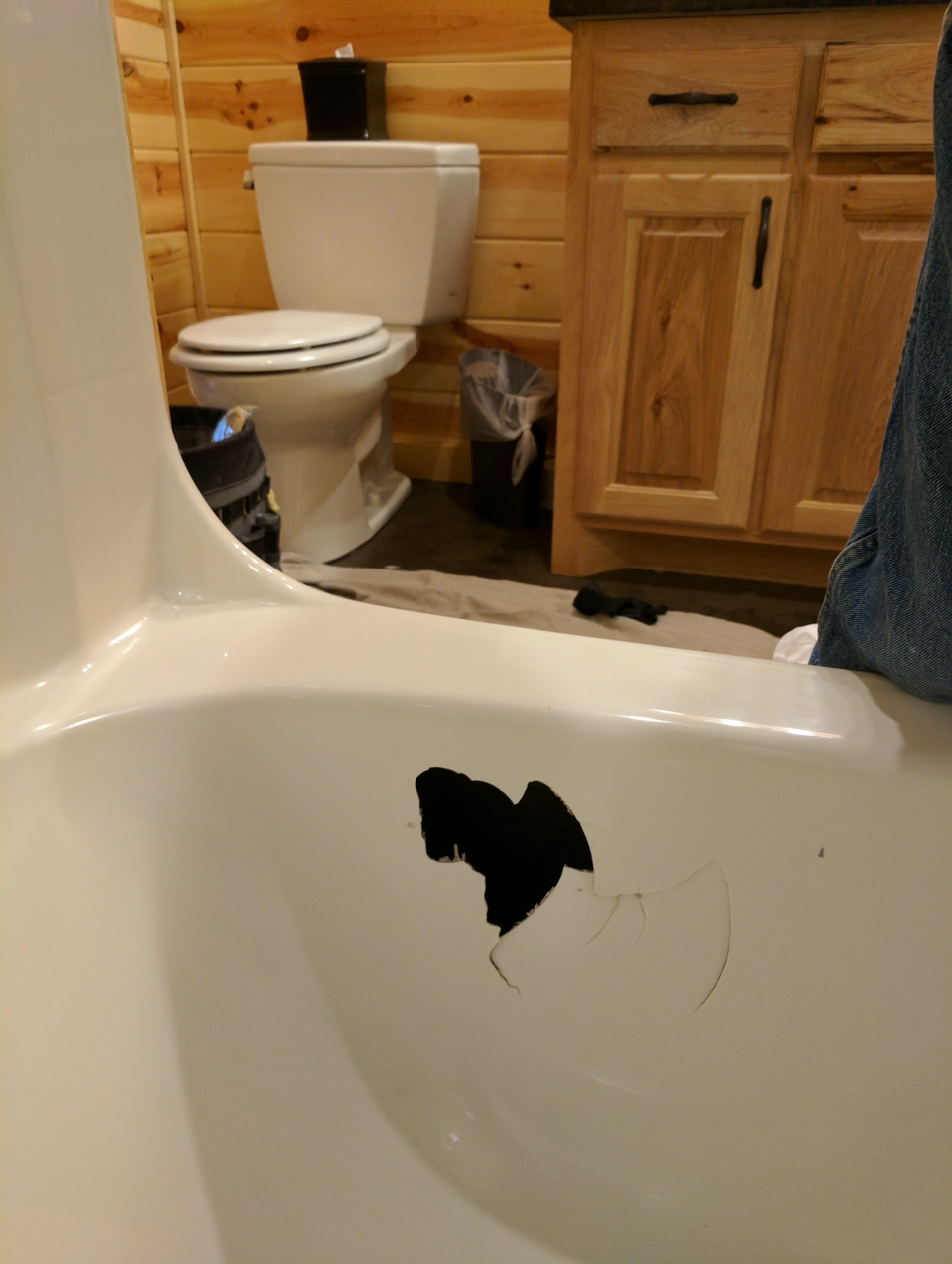
Before: impact damage and surface failure are reviewed to decide whether the tub needs isolated repair, reinforcement, refinishing, or replacement advice.
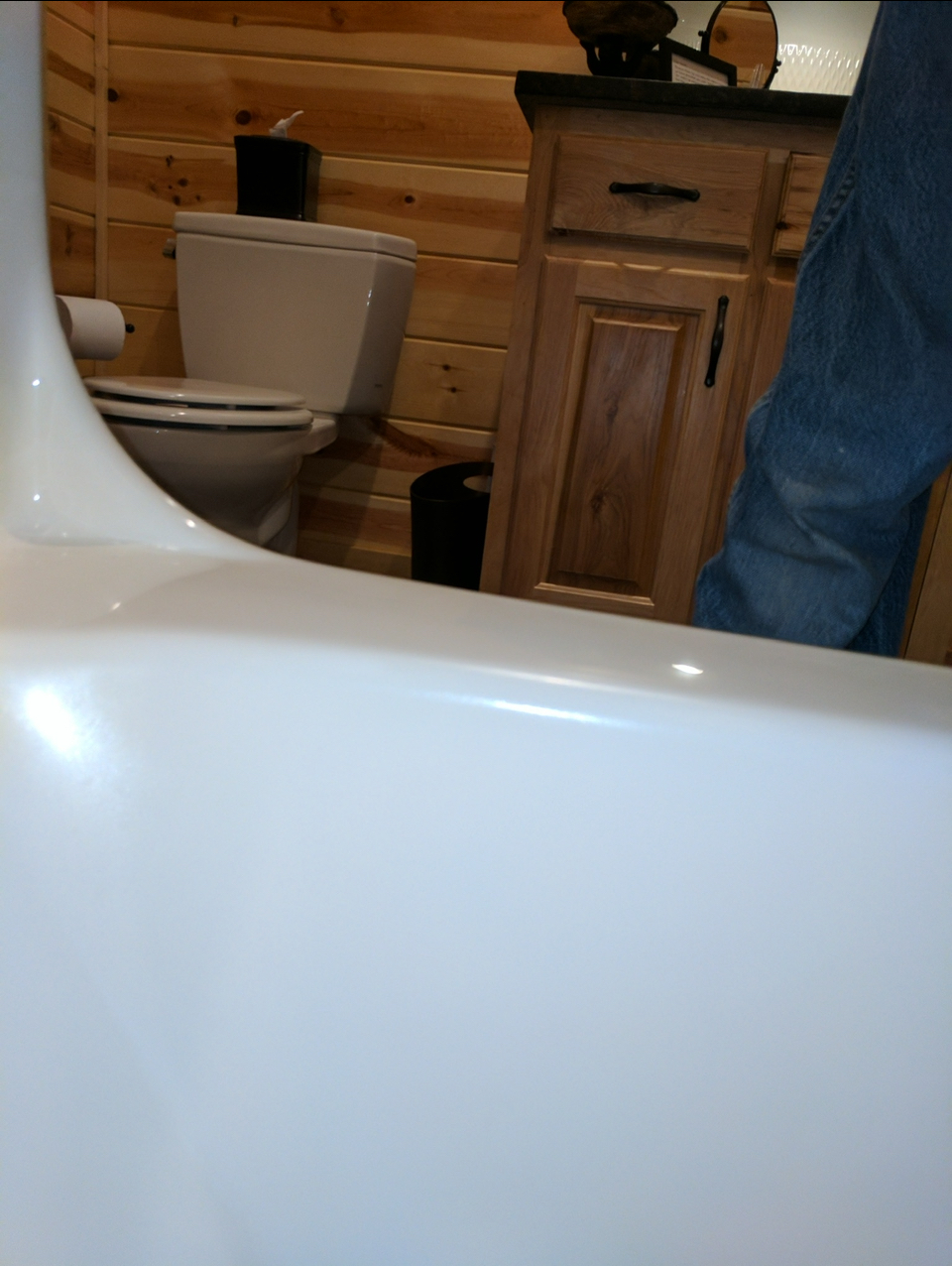
After: the repaired area has been restored and refinished so the surface looks clean instead of patched.
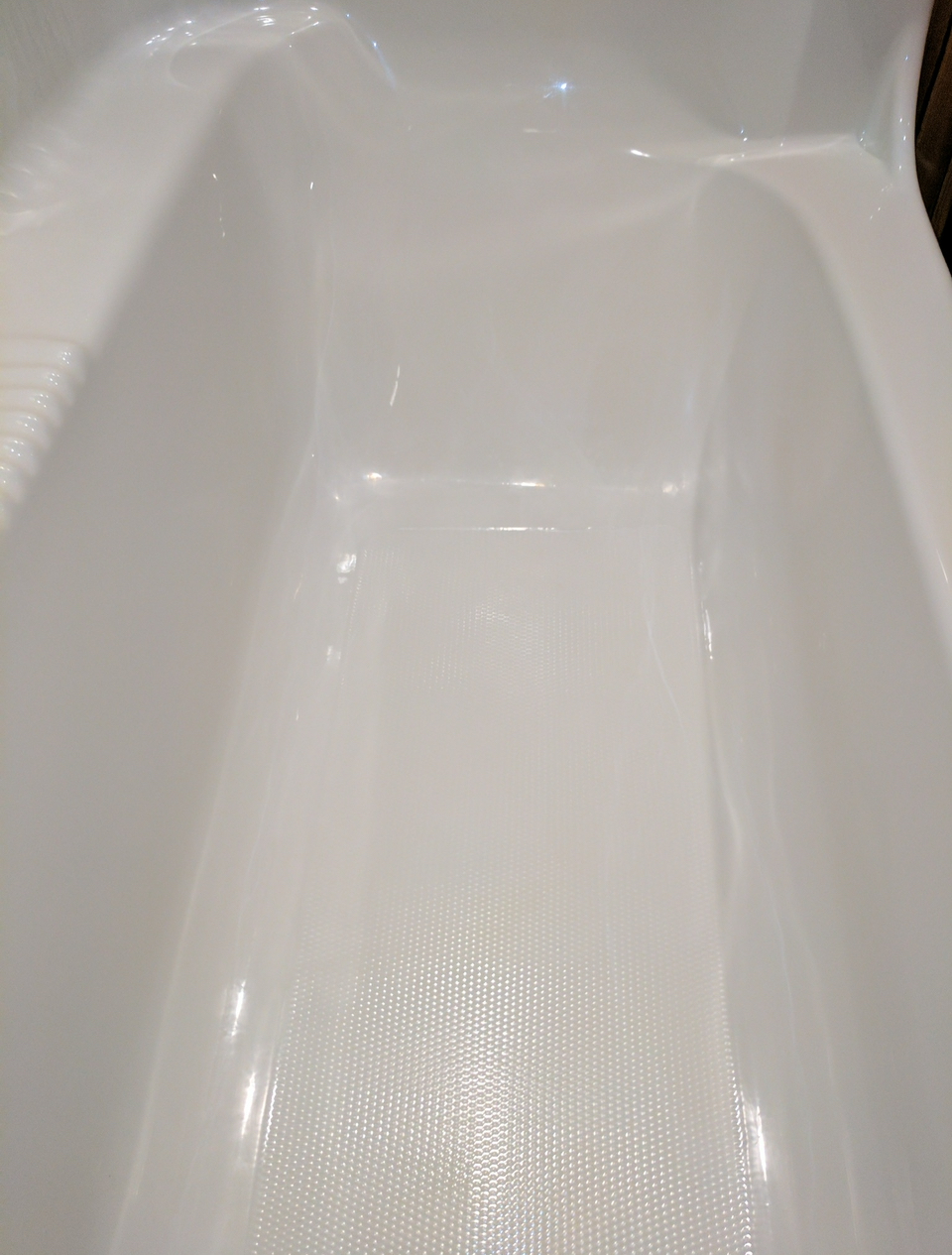
Prep detail: damaged areas are cleaned, shaped, and prepared so the finish has a better foundation.
A few clear photos can show the surface type, damage, access, and whether the job looks like repair, refinishing, resurfacing, reglazing, or replacement advice. This helps avoid guessing before scheduling.
A wider photo shows the full tub, shower, tile wall, countertop, edges, surrounding walls, and access around the work area.
Closeups help show chips, cracks, holes, rust, peeling, staining, soft spots, worn finish, or previous coating failure.
Drain areas, corners, shelves, seams, and edges often reveal water wear, movement, old repair work, or coating failure.
Your city or nearest East Texas town helps BBR give a clear answer and recommend the right estimate path.
Many cracked tubs can be repaired, but the cause matters. If the tub is flexing, unsupported, or taking on water, that movement or moisture problem has to be addressed before a durable repair is realistic.
In many East Texas homes, repair and refinishing cost less than replacement because replacement can involve tile, flooring, plumbing, and wall work. BBR still reviews the condition first so the recommendation makes sense.
Often yes. Many chip, crack, hole, or drain-area repairs are refinished afterward so the repaired area blends with the surrounding tub surface.
Send a full-view photo of the tub, closeups of the damage, the drain area, corners, and any spot that feels soft, loose, sharp, cracked, or previously repaired.
Replacement or construction work may be better when there is severe movement, active leaking, rotten backing, widespread structural failure, or damage that cannot be stabilized from the exposed side.
Some customers search for bathtub crack repair near me, bathtub chip repair near me, tub crack repair, tub chip repair, porcelain tub repair, or an experienced bathtub repair company near me. Best In The Business Refinishing LLC reviews the surface material first because fiberglass, acrylic, porcelain, cast iron, and enamel damage do not all repair the same way.
Small chips, cracks, drain-area damage, holes, worn spots, soft bottoms, and previous failed repairs may need repair before refinishing. If the surface is moving, holding water, or failing structurally, replacement advice may be more honest than coating over the problem.
A proper bathtub repair should address the cause and condition of the damage, not just cover the mark. Best In The Business Refinishing LLC checks whether the surface is stable enough for repair and whether refinishing should follow after the repair is complete.
Many customers searching for bathtub repair near me need help with chips, cracks, holes, drain-area wear, fiberglass damage, soft bottoms, or an older coating that is failing. Best In The Business Refinishing LLC reviews the material and movement first so the recommendation is repair, refinishing, or replacement advice instead of a quick patch that may fail.
Cracks, chips, flexing tubs, shower pans, and one-piece fiberglass units across East Texas.
Fiberglass floor movement, weak bottoms, holes, and reinforcement review before refinishing.
Send a full tub photo, closeups of damage, the drain area, and your nearest East Texas town.
For Tyler, Longview, Frankston, Henderson, Jacksonville, Kilgore, Athens, Palestine, and surrounding East Texas areas, clear photos help BBR decide whether the surface needs spot repair, fiberglass reinforcement, full refinishing, or replacement guidance.
Use these pages to compare the service that fits your tub, shower, tile, countertop, or repair issue.
Chips, cracks, holes, drain-area damage, fiberglass damage, and repair before refinishing.
Cracked fiberglass tubs, weak bottoms, shower pans, and one-piece enclosures.
Common terms for restoring an existing bathtub surface without replacement.
Older cast iron tubs with worn enamel, staining, chips, rust, or old coatings.
Porcelain and enamel tubs with dull finish, stains, chips, or drain-area wear.
Fiberglass showers, tub/shower units, wall panels, surrounds, and shower surfaces.
Bathroom wall tile, tub surrounds, shower tile, outdated colors, and hard-to-clean surfaces.
Bathroom vanities, laminate, cultured marble, and countertop surfaces.
Best In The Business Refinishing LLC works by appointment across East Texas, including Tyler, Longview, Frankston, Mount Pleasant, Paris, Canton, Gilmer, Nacogdoches, Lufkin, Crockett, Texarkana, and surrounding rural communities. Text your nearest town and photos so the right estimate path can be recommended.